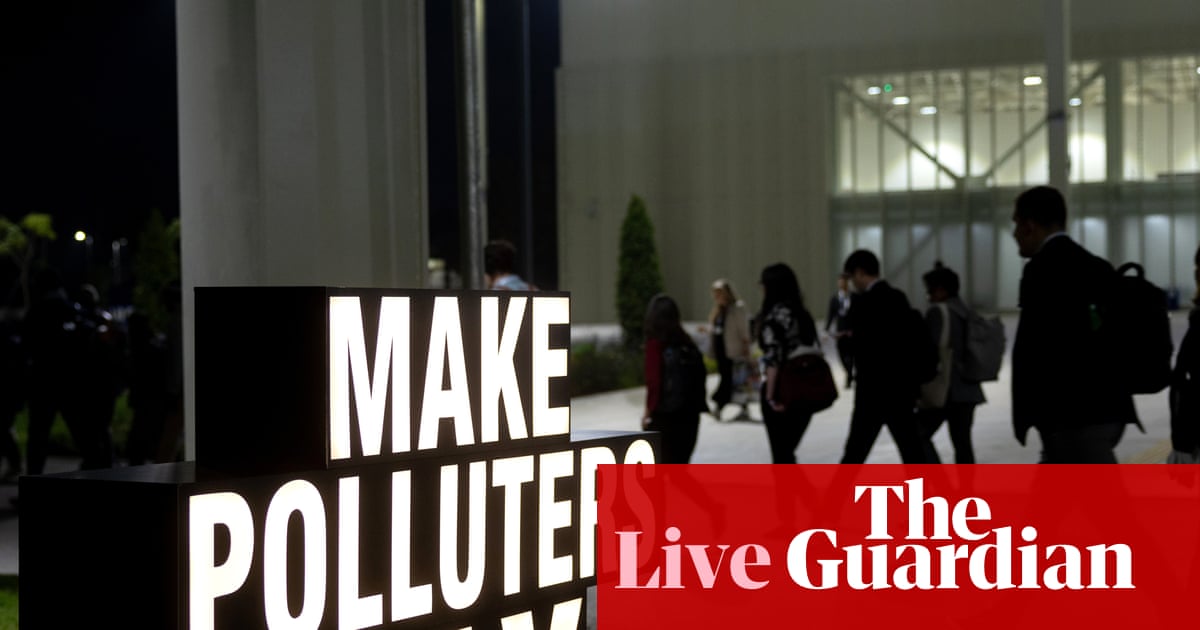
Panama's top environment official says a petroleum mafia is holding global climate talks hostage. Strong oil interests are blocking deals that aim to cut fossil fuel use. This warning puts fresh pressure on world leaders to stand up to big oil companies.
Who is blocking global climate talks?
International negotiations are meant to help countries work together to fight climate change. However, Panama's environment chief warns that oil groups hold immense control over these meetings. When big fossil fuel interests step in, they can slow down bold plans to cut harmful emissions.
Many smaller nations face rising seas and intense storms right now. When oil groups push back against strong rules, poorer countries pay the highest price. These countries often lack the money to rebuild after major disasters strike their shores.
What is the petroleum mafia doing at climate summits?
The phrase petroleum mafia points to groups that push fossil fuel agendas inside key policy meetings. These groups often work hard behind closed doors to protect oil profits. Because decisions at global talks need wide support, even a few pushy groups can derail strong agreements.
People who follow these events worry about several main problems:
- Oil groups work to soften rules against burning fossil fuels.
- Talks spend too much time on slow compromises instead of quick action.
- Leaders from vulnerable countries feel their voices get ignored.
- Delays lead to worse effects of climate change across the world.
Why does this climate debate matter to everyday families?
What happens at international summits affects daily life everywhere. Slower action on emissions means more frequent heatwaves, droughts, and food price spikes. Families end up paying higher costs for basic goods, home insurance, and clean energy.
When clean energy projects get delayed, cities also stay stuck with polluted air. Moving away from oil creates cleaner neighborhoods and new local jobs. A grid that depends on dirty fuel keeps regular people tied to sudden spikes in gas and power bills.
What should readers watch for next?
Calls for stricter rules on corporate presence at talks are growing louder. Activists and smaller nations want clear limits on fossil fuel influence during private meetings. Strong public statements from leaders like Panama's environment chief make it harder for organizers to look the other way.
In the coming months, watch how other countries react to these blunt words. If more leaders join this call, the next big summit might finally change its rules. The pressure is on to ensure global talks serve the public instead of wealthy oil interests.
Comments
Post a Comment