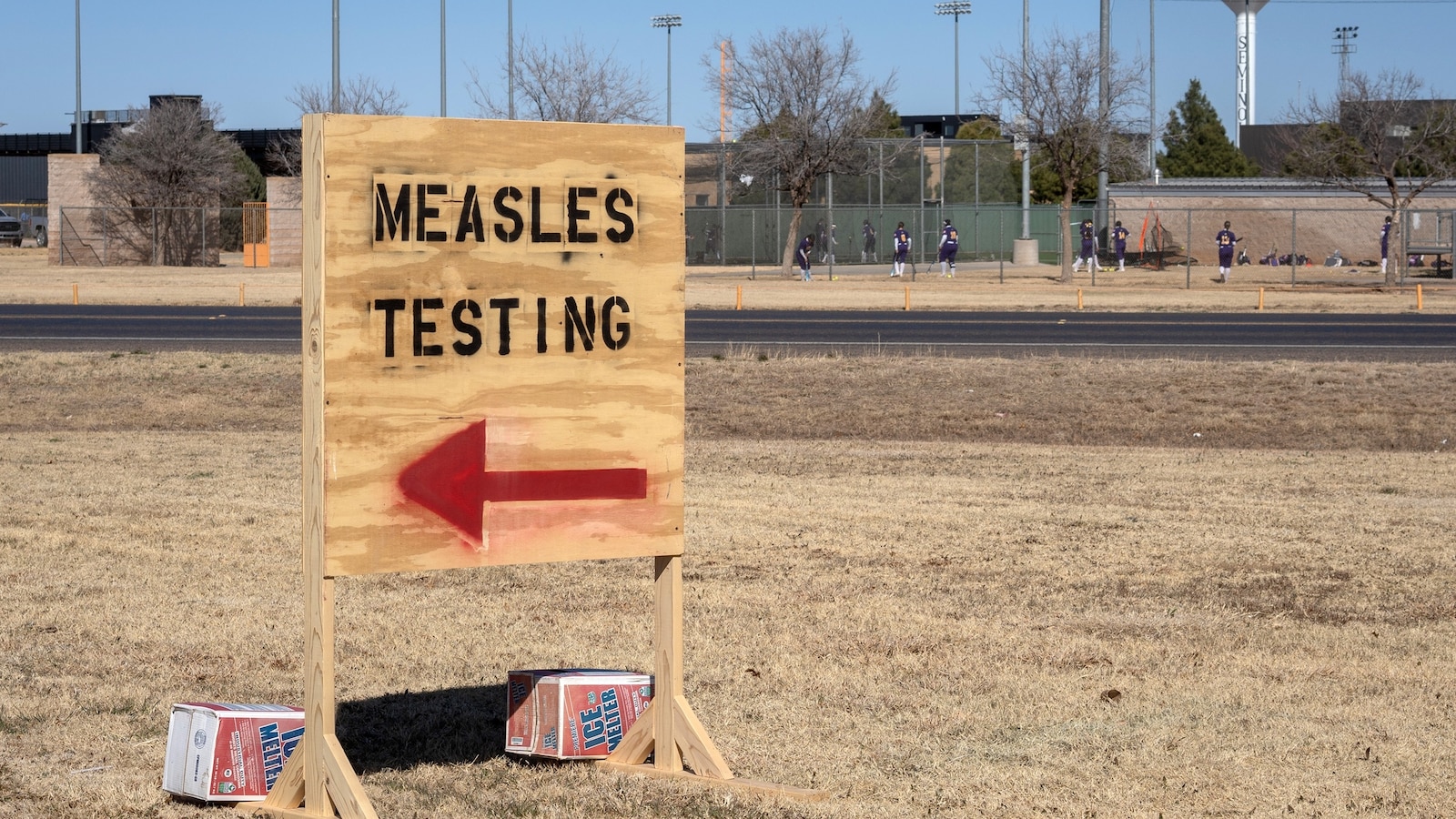
The Centers for Disease Control and Prevention shared a new update on measles cases and outbreaks across the country. Health officials track these infections closely to stop the virus from spreading between communities. Families should check their health records and pay close attention to any new alerts in their towns.
What is the CDC warning about measles cases and outbreaks?
The CDC monitors local health reports to find where the virus is moving. A measles outbreak can start quickly when an infected person visits public places like schools, grocery stores, or airports. Because the virus stays in the air for hours, officials share these updates to help doctors and families act fast.
Doctors watch for early warning signs such as a high fever, a cough, a runny nose, and red eyes. A few days after those signs start, a flat red rash usually breaks out on the face and spreads down the body. Spotting the illness early helps stop it from reaching people who cannot fight off infections on their own.
Why are measles cases rising again in the United States?
Health experts say that lower rates of routine shots give the virus an easy way to spread. The country has seen a steady measles resurgence in the United States over recent years whenever coverage drops in local neighborhoods. When enough people miss their standard shots, a single sick traveler can start a chain of illness.
Earlier events, like the major 2019, 2020 measles outbreaks, showed how fast numbers can climb in under-protected areas. When communities lose their shared shield of protection, young babies and people with weak immune systems face the greatest danger. Health departments work overtime during an outbreak to trace every person who walked past an infected patient.
What can families do to protect themselves right now?
Parents can take simple steps today to keep their homes safe from the virus. You do not need to panic, but you should take a few minutes to review your family medical files. Here are the most helpful actions you can take right now:
- Call your family doctor to make sure your household records are complete.
- Watch local news pages for notices about public exposure sites in your area.
- Keep sick family members at home if they develop a fever and a new rash.
- Contact a clinic by phone before visiting so staff can prepare a safe room.
Taking these basic steps cuts down the risk for everyone around you. If you learn that someone at your school or workplace had the virus, reach out to your local clinic right away for advice. Quick action keeps small clusters of illness from turning into widespread public health emergencies.
What to watch for in the coming weeks
The CDC will continue to update its public tracking pages as state agencies report new numbers. Local health workers will keep testing suspected patients and tracking anyone who shared space with them. If numbers keep rising, school districts and daycares may ask parents for updated health forms before classes continue.
Travelers should also stay alert when planning trips through busy transport hubs. Airports and train stations are common spots where people pick up bugs without knowing it right away. Staying informed about the latest alerts helps you protect your loved ones and keeps your neighborhood healthy.
Comments
Post a Comment