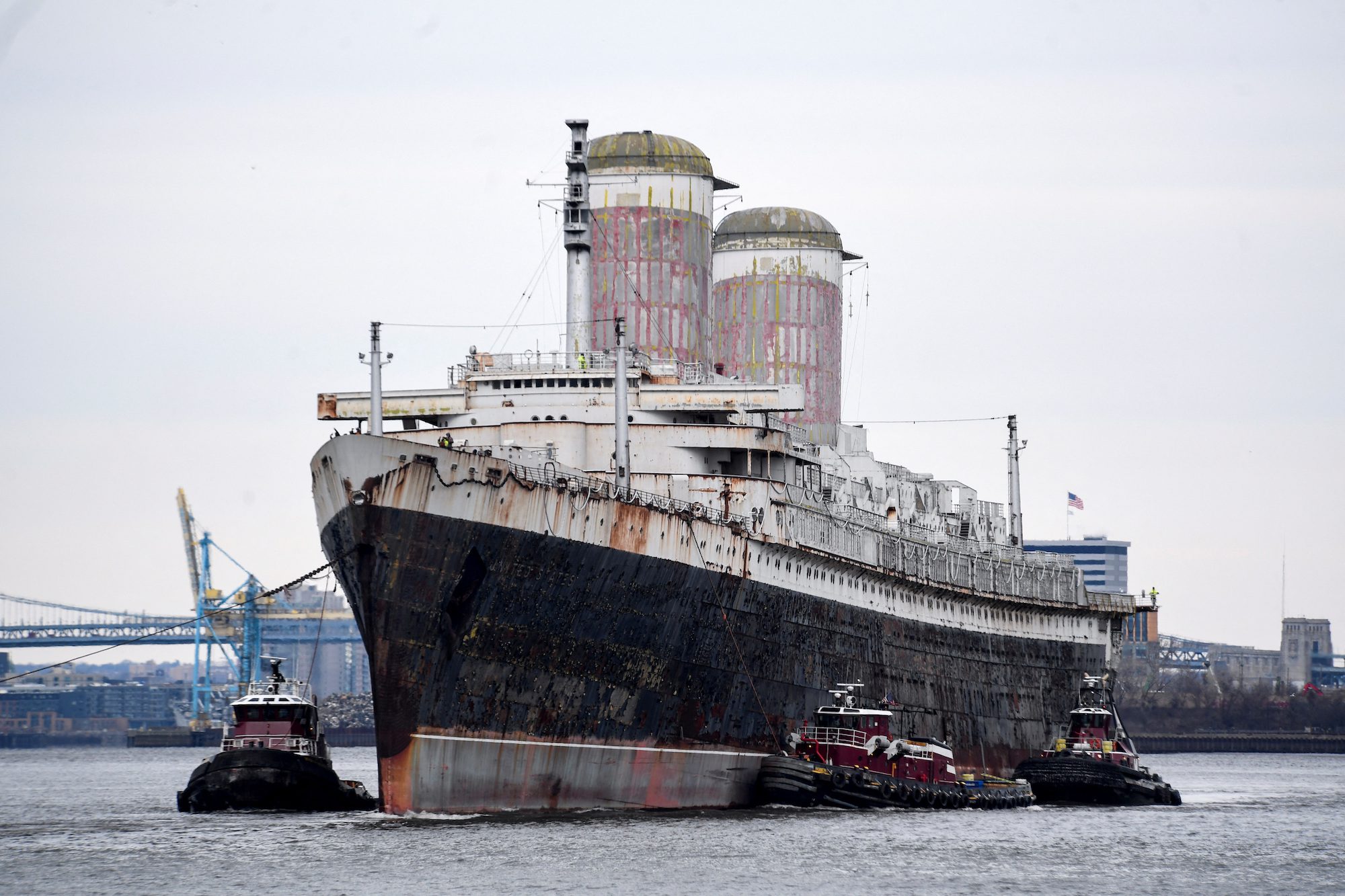
A man recorded the final journey of a famous vessel he first sailed on as a young boy. This emotional trip brings his lifelong connection to the ocean full circle. The incredible story was reported recently by The New York Times.
What is the story of this final journey?
The man had a special connection to this specific vessel from a very young age. He first stepped onto its deck decades ago during a memorable trip in his youth. Now, many years later, he returned to document the last time it would ever sail across the open water.
Recording the end of a legendary vessel is a rare moment for any ocean fan. Ships carry heavy cargo, hard-working crews, and thousands of personal stories across the sea for generations. Seeing a vessel reach its ultimate stop brings back strong feelings for the people who once lived and worked on it.
How do people record the history of old vessels?
Many historians and writers love to track the life of historic boats. They collect old photographs, write detailed logbooks, and capture video before a vessel gets retired forever. You can learn more about famous early sea trips by reading about the Voyages of Christopher Columbus and their place in history.
Ordinary people often feel a deep bond with the vessels they rode on during childhood trips. A single boat ride can stay in a person's memory for a whole lifetime. When that old vessel is finally taken out of service, capturing its final moments helps preserve those priceless memories for future generations to see.
Why do people care about the end of a ship?
Every major vessel has a limited lifespan due to wear and tear from rough salt water. After decades of service, keeping an old vessel safe and working gets far too expensive for the owners. Tracking these last trips allows former passengers and crew members to say a proper goodbye to a piece of their past.
Historic journeys on the sea have fascinated the public for hundreds of years. For example, people still study historic vessels like the Batavia (1628 ship) to learn how people traveled long ago. Watching a modern vessel make its last trip reminds us how fast time moves and how transportation changes over the years.
What happens next to historic vessels?
Once a vessel completes its last voyage, it usually gets taken to a special yard. Some old vessels are carefully turned into floating museums where children and families can visit them. Other times, the metal is taken apart and recycled to build brand new tools and modern structures.
The recordings and photos taken during this final trip will now be saved for history. Family members, sailors, and ocean lovers can watch the footage to remember the proud days of the ship. It serves as a lasting tribute to a vessel that touched lives for many years.
Comments
Post a Comment